
 The Jungle Book2016106 min
Eight studio doors
1Disney and Touchstone23 films2Paramount23 films3Universal23 films4Warner and New Line23 films520th Century Fox23 films6Columbia and TriStar23 films7MGM and United Artists23 films8British studios23 films
Disney and Touchstone
All 23 ›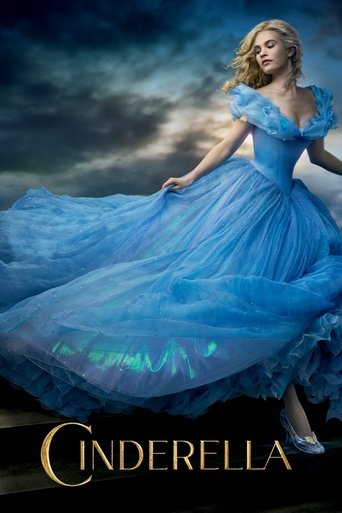

Paramount
All 23 ›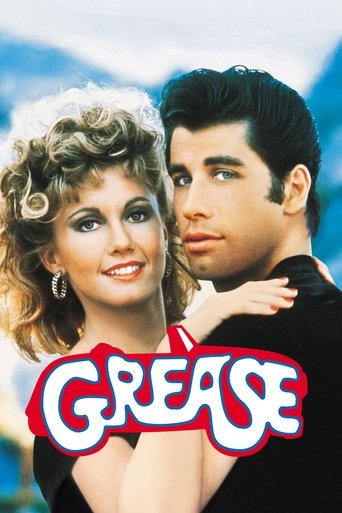

Universal
All 23 ›

Warner and New Line
All 23 ›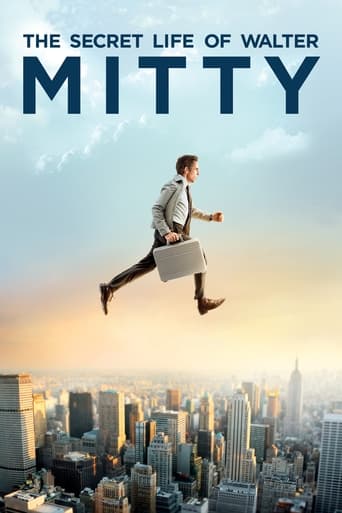
20th Century Fox
All 23 ›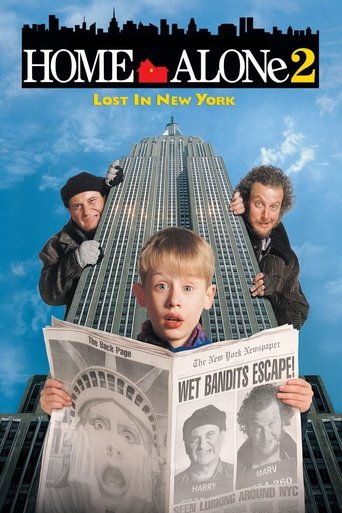

Columbia and TriStar
All 23 ›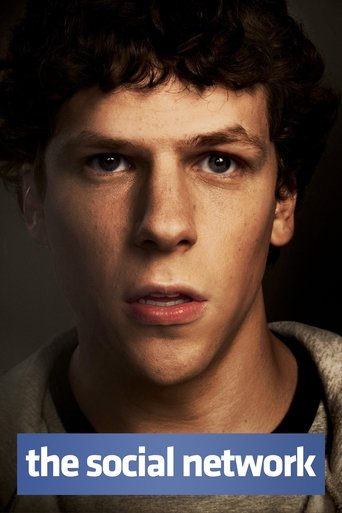

MGM and United Artists
All 23 ›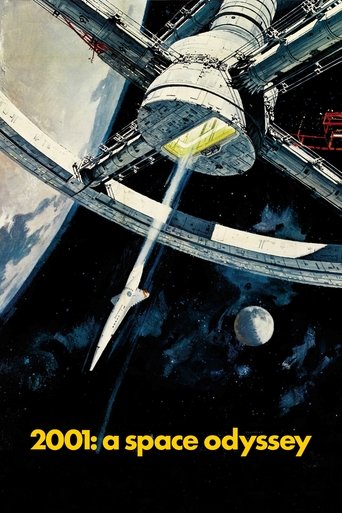
British studios
All 23 ›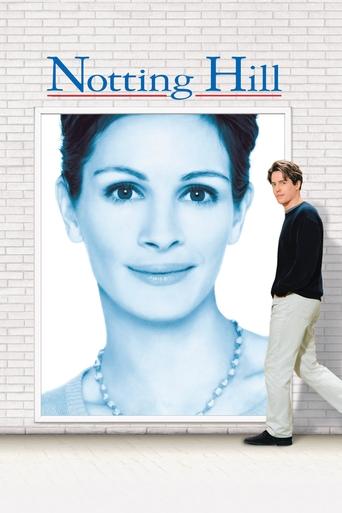
More lists
Top rated films 32Classics 20Comedy 123Drama 81Romance 77Family 59Adventure and fantasy 64Music 10True stories 22
The CinemaUnlocked guide
CinemaUnlocked: 184 films behind eight studio doors, from Jurassic Park, Groundhog Day and Big to Notting Hill, Roman Holiday and Singin' in the Rain
CinemaUnlocked is a guide to films arranged by the studio that made them. It has eight doors: Disney and Touchstone, Paramount, Universal, Warner and New Line, 20th Century Fox, Columbia and TriStar, MGM and United Artists, and the British studios. Behind each are twenty-three films, 184 in all, made between 1934 and 2026. Every film has a page with its cast, a summary and a Watch now button, and together they run to about 332 hours.
Most people choose a film by its star, its story or a friend's word, and hardly anyone by the logo that opens it. Yet the logo tells a good deal. For most of the last century each large studio had its own taste, its own stars under contract and its own idea of what an evening at the pictures should be. MGM made musicals in bright colour, Paramount made sophisticated comedies, Universal made adventures, and Disney made films for the whole family. Traces of those habits last to this day.
Sorting a catalogue by studio brings out those family resemblances. It also puts films side by side that are rarely seen together: a comedy of 1934 beside a drama of 2010 under the Columbia torch, or a 1950 backstage story beside a 1993 baseball film under the Fox searchlights. Every film was screened by hand for a family audience, so the lists lean towards comedy, romance, family adventure, musicals and true stories.
This guide explains the page, goes through the eight doors one at a time, and then crosses the studios by period and by kind. The short version is on How to watch with CinemaUnlocked.
How CinemaUnlocked works
The page is dark slate with blue buttons. On the home page the name of the guide sits in the centre above a wide white search bar, which has a navy Filter button at its left end and a blue search button at its right. Under the bar come eight numbered tiles, one for each studio door, each with the count of its films.
Eight rows of posters follow, one per studio, each showing the six most widely rated films behind that door with a link to all twenty-three. Under every poster are the title, the year and the running time in minutes. A strip of further lists and this guide close the page. On every other page a compact bar holds the logo, a menu reading Home, Studios, Top rated, Classics, Comedy, Family and A-Z, and the My Keys button, with the search bar beneath.
A film page gives the title, tags for the year, the running time and the genres, the summary, the Watch now button and the list button. A panel beside them has a selector with fifteen countries; choose one, press the button, and JustWatch lists the subscription, rental, purchase and free services that carry the film there. A table of facts names the studios, and the cast and director complete the page. Finding a film covers the search bar, the Filter button and the lists.
How the studio lists are built
Each film on TMDB carries a list of the companies that produced it. A film enters a door when one of that door's companies appears on its list. The Disney door, for example, takes films from Walt Disney Pictures and from Touchstone Pictures, the label Disney created in 1984 for films aimed at older audiences. The Warner door includes New Line Cinema and Castle Rock Entertainment, both of which became part of the Warner group in the 1990s.
Within each door the films are ranked by the number of people who have rated them, and the first twenty-three that passed the hand screening are listed. Many films are made by two studios together, one handling the release at home and the other abroad. Such a film is placed behind one door only, the first in the order of the tiles, so that the eight lists hold 184 different films.
The guide is an independent reference and is unconnected with the studios it names. The eight studio doors page states the rule in brief.
Door one: Disney and Touchstone
The Disney door is the most recent of the eight in its contents; its oldest film dates from 1984. That film is Splash, the first release under the Touchstone name, in which Tom Hanks falls in love with a mermaid played by Daryl Hannah. Ron Howard directed, and its success showed that the studio could make comedies for adults as well as cartoons for children.
Touchstone went on to make some of the best-liked comedies of the next twenty years. Father of the Bride has Steve Martin as a man undone by the cost and emotion of his daughter's wedding. Runaway Bride reunited Julia Roberts and Richard Gere nine years after their first film together, and Sweet Home Alabama sends Reese Witherspoon, as a New York fashion designer, back to the small town and the husband she left behind. Step Up 3D is a dance film shot for three-dimensional screens.
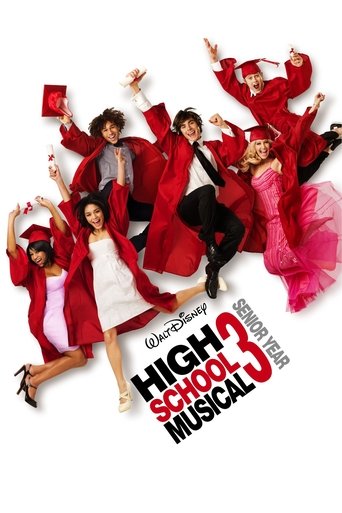
Under its own name the studio made family comedies: Flubber, with Robin Williams as the professor who invents a bouncing green substance, The Game Plan, in which a football star played by Dwayne Johnson discovers that he has an eight-year-old daughter, The Santa Clause 2, The Princess Diaries 2: Royal Engagement and High School Musical 3: Senior Year. Cool Runnings is the fond retelling of how Jamaica sent a bobsled team to the 1988 Winter Olympics.
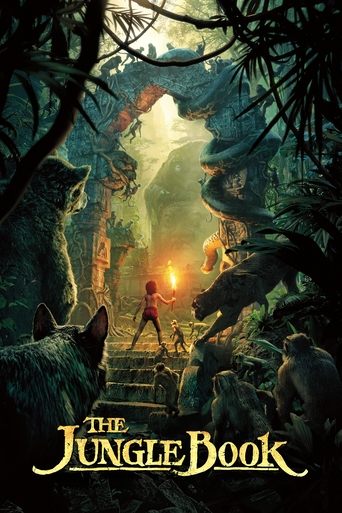
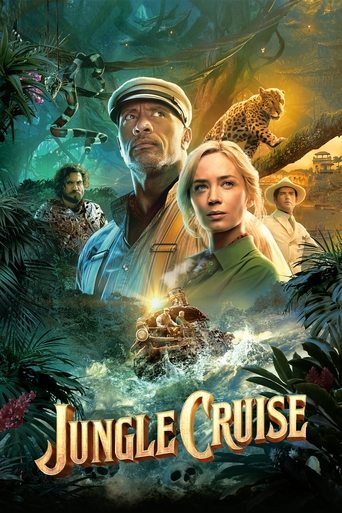
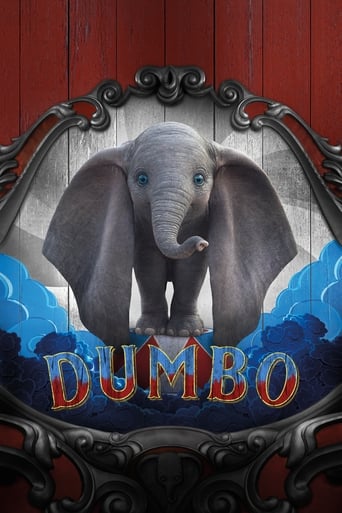
In the 2010s Disney turned to its own library and remade its cartoons with actors. Cinderella, The Jungle Book, Pete's Dragon and Dumbo belong to that series, and Mary Poppins Returns and Christopher Robin are sequels in the same spirit. The BFG was directed by Steven Spielberg from Roald Dahl. Jungle Cruise turns a theme park ride into an Amazon adventure, The Nutcracker and the Four Realms is a winter fantasy, and The Muppets brought Jim Henson's troupe back to cinemas.
The highest score behind this door belongs to Togo, at 8.1: the true story of the sled dog who led the longest and hardest leg of the 1925 serum run to Nome. The newest film is TRON: Ares, from 2025. The Disney and Touchstone guide sorts the twenty-three.
Door two: Paramount
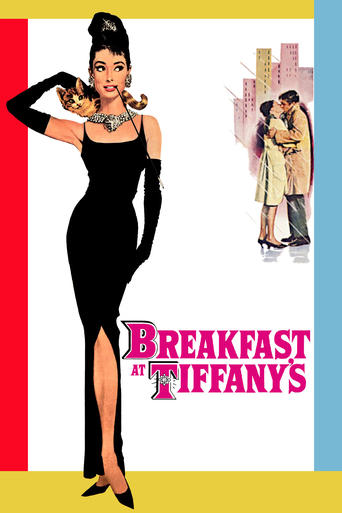
Paramount is one of the oldest Hollywood studios, and its door reaches back to 1953. Three of its films star Audrey Hepburn. In Roman Holiday she is a princess who escapes her duties for a day in Rome with a reporter, played by Gregory Peck; it was her first leading part and won her an Academy Award. Funny Face takes her to Paris with Fred Astaire and the songs of the Gershwins, and Breakfast at Tiffany's gave her Holly Golightly, the black dress and the song Moon River.
Two comedies come from the plays of Neil Simon. Barefoot in the Park puts Robert Redford and Jane Fonda, newly married, in a fifth-floor flat with a hole in the skylight. The Odd Couple gives Jack Lemmon and Walter Matthau a shared apartment and opposite habits.
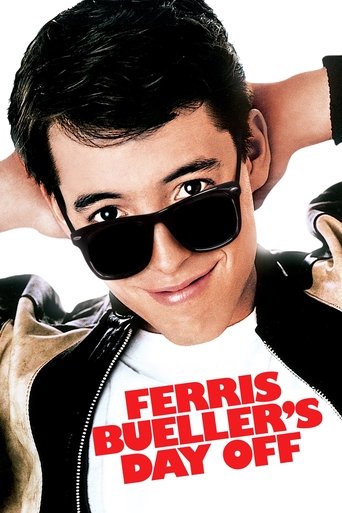
The studio had a remarkable run with young audiences. Grease was the most successful film musical of its time. Footloose has Kevin Bacon as a city boy in a town that has banned dancing, and Ferris Bueller's Day Off and Pretty in Pink both came from the pen of John Hughes in 1986. Tommy Boy sends Chris Farley and David Spade on the road to save a family brake-pad business.
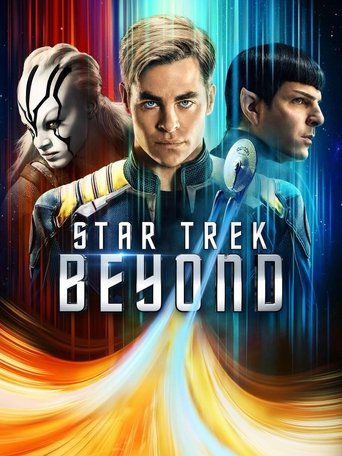
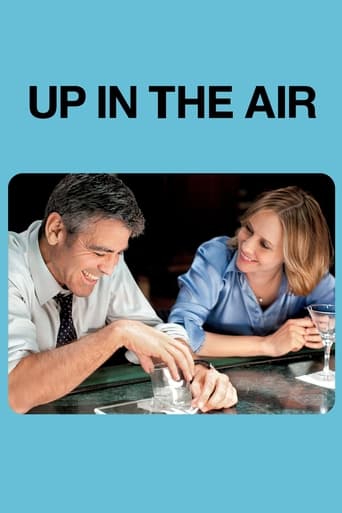
The later films include Up in the Air, with George Clooney as a man who lives in aeroplanes and hotels, Morning Glory, set behind the scenes of a breakfast television programme, Searching for Bobby Fischer, about a seven-year-old chess player and his father, and Charlotte's Web. Star Trek Beyond is the door's one voyage into space, and IF, from 2024, is about a girl who can see everyone's imaginary friends. Rat Race, Failure to Launch, The Prince & Me, Imagine That, Dora and the Lost City of Gold, Daddy's Home and Daddy's Home 2 complete the list. The Paramount guide sorts them.
Door three: Universal
The Universal door opens on the most widely rated film in the whole guide. Jurassic Park, directed by Steven Spielberg in 1993, brought dinosaurs to the screen with a mixture of full-size models and computer images that still convinces, and it holds a score of 8.0. Back to the Future Part II sends Marty McFly forward to 2015 and then back into the events of the first film, seen from another angle.
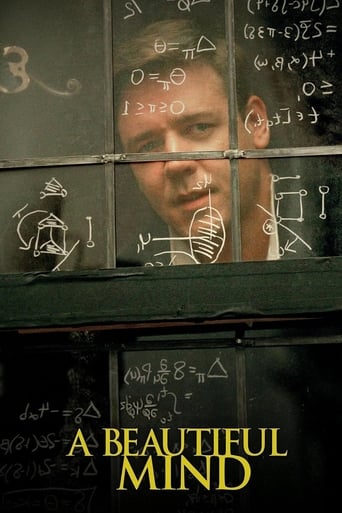
Universal has long been a home for film portraits of real people. A Beautiful Mind follows the mathematician John Nash from Princeton to the Nobel Prize, through years of illness; it won the Academy Award for best picture. Ray has Jamie Foxx as Ray Charles. Seabiscuit is the story of an undersized racehorse who became a hero of the Depression years, and The Soloist of a newspaper columnist who befriends a gifted musician living on the streets of Los Angeles.
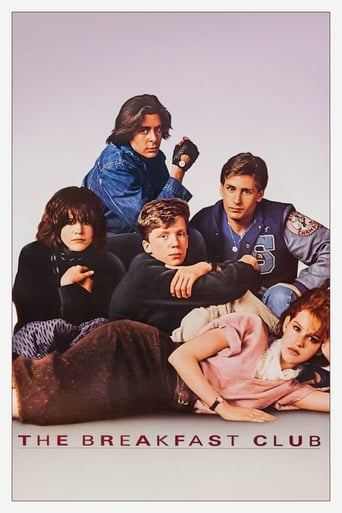
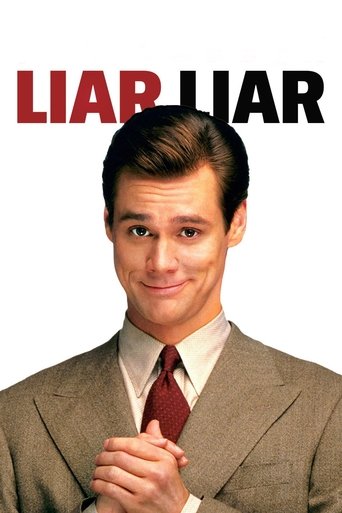
The comedies are a strong group. The Breakfast Club shuts five pupils in a school library for a Saturday. Parenthood, directed by Ron Howard, follows four grown brothers and sisters and their children through one summer. Liar Liar has Jim Carrey as a lawyer compelled to tell the truth for a day, and About a Boy has Hugh Grant as an idle Londoner adopted, against his will, by a twelve-year-old. The Secret of My Success sends Michael J. Fox from the post room to the boardroom.
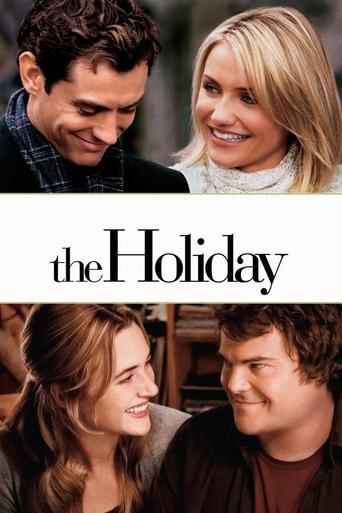
For families there are Beethoven and Beethoven's 2nd, about a St Bernard and the household he takes over, The Flintstones and Dolittle. The romances are The Holiday, in which two women swap houses across the Atlantic for Christmas, The Wedding Date, The Perfect Man, Second Act, My Big Fat Greek Wedding 2 and Somewhere in Time, a time-travel love story filmed at the Grand Hotel on Mackinac Island. Pitch Perfect 2 and The Fall Guy, a 2024 comedy about a film stuntman, are the most recent successes. The Universal guide sorts the list.
Door four: Warner and New Line
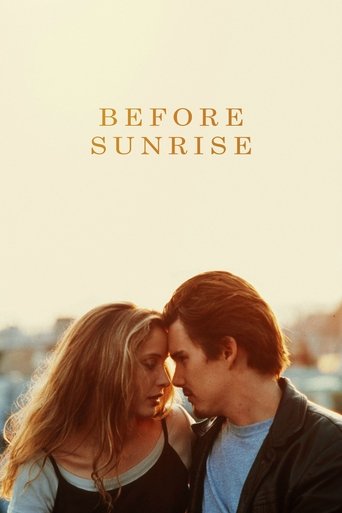
The Warner door joins three companies. Castle Rock, founded by the director Rob Reiner and his partners, supplies three of its finest films. Before Sunrise is a night of talk in Vienna between a young American and a French student who met on a train, and Before Sunset finds the same pair nine years later with an hour and a half before his flight. Flipped, directed by Reiner, tells a first love from both sides of a suburban street. All three score 7.8 or more.
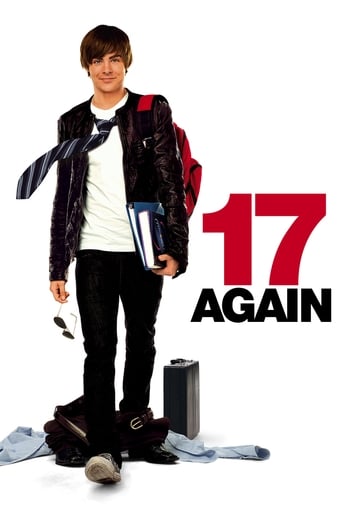
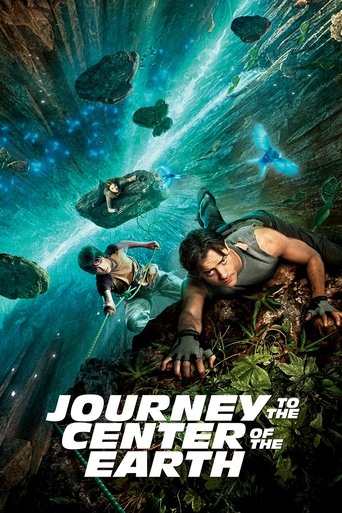
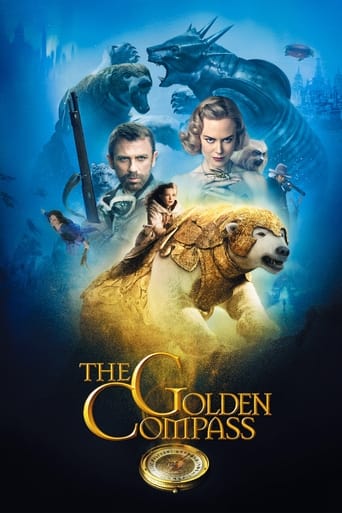
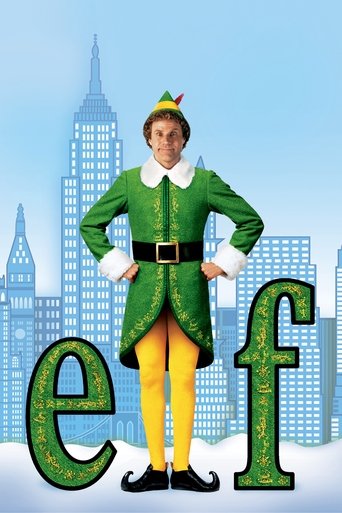
New Line built its name on comedies. Elf has Will Ferrell as a man raised at the North Pole who goes to New York to find his father. The Wedding Singer pairs Adam Sandler and Drew Barrymore in 1985, and 17 Again returns a disappointed father to his teenage body. I Am Sam is a drama, with Sean Penn as a father fighting to keep his daughter. The company also made large fantasies: The Golden Compass, Inkheart, Journey to the Center of the Earth and Journey 2: The Mysterious Island.
From Warner Bros. itself come Crazy Rich Asians, the romantic comedy that took its heroine to Singapore, Elvis, Baz Luhrmann's life of the singer and the longest film in the guide at 159 minutes, and King Richard, about the father of Venus and Serena Williams. National Lampoon's Christmas Vacation has been a December fixture since 1989.
The remaining films are August Rush, Pay It Forward, Music and Lyrics, in which Hugh Grant plays a faded pop star in need of a songwriter, A Cinderella Story, What a Girl Wants, Everything, Everything, Trouble with the Curve and The Secret Life of Walter Mitty. The Warner and New Line guide sorts them.
Door five: 20th Century Fox
The Fox door covers 20th Century Fox and its two smaller labels, Fox 2000 and Fox Searchlight. Its oldest film is among the best ever made about the theatre. All About Eve, from 1950, has Bette Davis as Margo Channing, a Broadway star of forty, and Anne Baxter as the young admirer who works her way into Margo's dressing room, her circle and finally her parts. It won six Academy Awards and holds a score of 8.1.
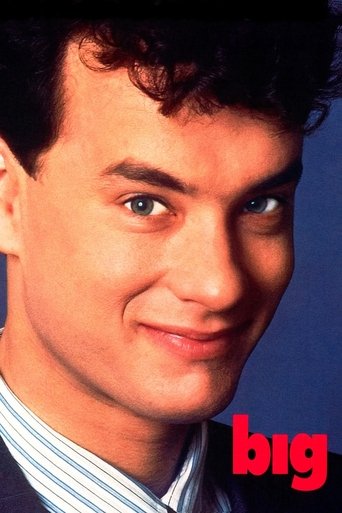
Childhood is the door's great subject. Big grants a twelve-year-old his wish to be grown up, and Tom Hanks plays the result with complete conviction, most famously on a giant floor piano in a toy shop. The Sandlot remembers a summer of baseball in 1962. Home Alone 2: Lost in New York sends Kevin McCallister to the Plaza Hotel with his father's credit card. Diary of a Wimpy Kid and Diary of a Wimpy Kid: Rodrick Rules come from Jeff Kinney's books.
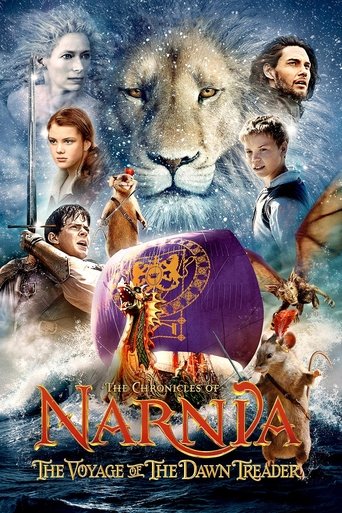
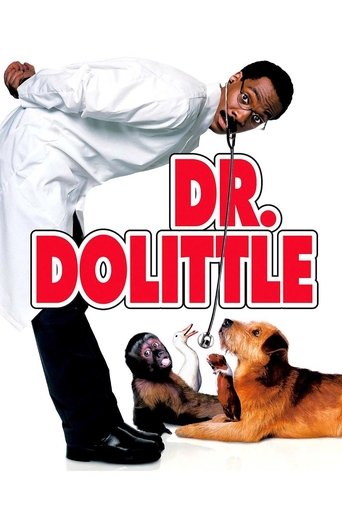
The studio specialised in comedies about large households: Cheaper by the Dozen and Cheaper by the Dozen 2, with Steve Martin as a father of twelve, Mr. Popper's Penguins, We Bought a Zoo and Doctor Dolittle, with Eddie Murphy as the doctor who hears animals speak. Jingle All the Way and the 1994 Miracle on 34th Street are for Christmas, and The Chronicles of Narnia: The Voyage of the Dawn Treader, Gulliver's Travels and Garfield: A Tail of Two Kitties are fantasies.
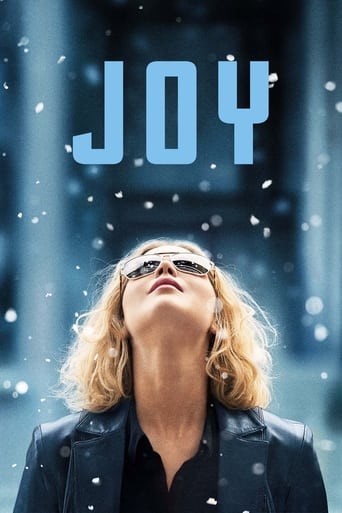
The romances are 27 Dresses, about a woman who has been a bridesmaid twenty-seven times, Bride Wars, Monte Carlo, Water for Elephants and The Longest Ride. Joy has Jennifer Lawrence as an inventor, and The Art of Racing in the Rain, narrated by a racing driver's dog, shares the door's highest score. The 20th Century Fox guide sorts the twenty-three.
Door six: Columbia and TriStar
Columbia's door holds the oldest film in the guide. It Happened One Night, made by Frank Capra in 1934, sends a runaway heiress and an out-of-work reporter from Florida to New York by night bus, on foot and by borrowed car. It was the first film to win all five principal Academy Awards, and it set the pattern for romantic comedy for the next ninety years.
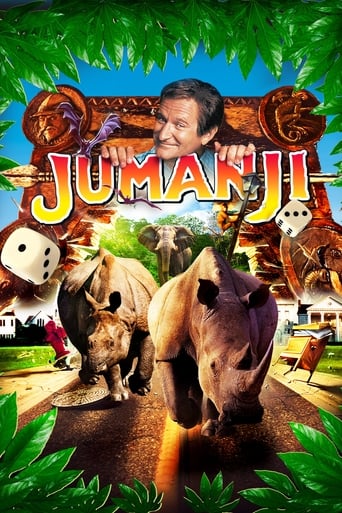
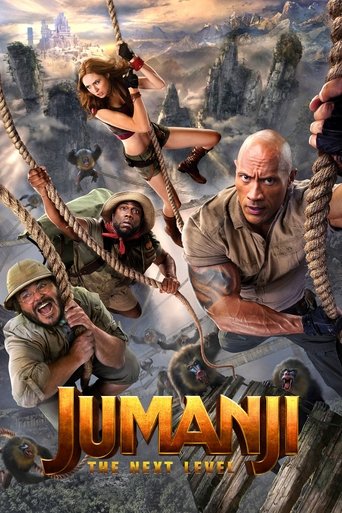
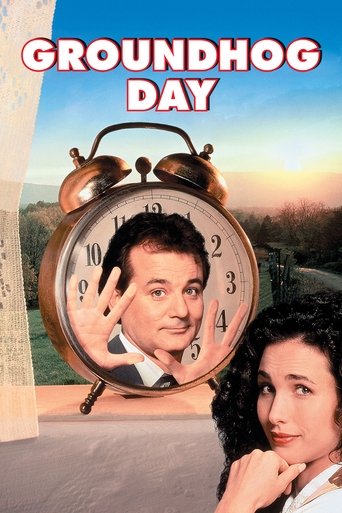
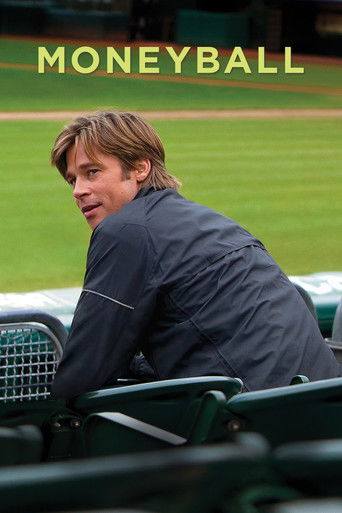
The door's best-known modern films are very different from one another. Groundhog Day traps a television weatherman in the same February day until he learns to use it well. The Social Network tells of the founding of Facebook in rapid dialogue, and Moneyball of a baseball manager who trusted statistics over scouts. Jumanji, a TriStar film of 1995 with Robin Williams, and its 2019 sequel Jumanji: The Next Level sit side by side.
TriStar, formed in 1982, supplies several films about women and their friendships. Steel Magnolias is set in a Louisiana beauty parlour, with Sally Field, Dolly Parton, Shirley MacLaine and Julia Roberts. My Best Friend's Wedding has Roberts again, trying to stop a wedding four days before it takes place. Peggy Sue Got Married sends Kathleen Turner back to her school days in 1960, and Ricki and the Flash and The Lady in the Van give leading parts to Meryl Streep and Maggie Smith.
Julie & Julia joins two true stories, that of the cookery writer Julia Child in Paris and of a New Yorker cooking through her book fifty years later. Eat Pray Love, Hope Springs, How Do You Know, Guess Who, Multiplicity and An American Pickle are comedies for adults; Stuart Little 2, RV, A Dog's Way Home and Lyle, Lyle, Crocodile are for families. The newest, Voicemails for Isabelle, has the highest score in the guide, 8.3. The Columbia and TriStar guide sorts the list.
Door seven: MGM and United Artists
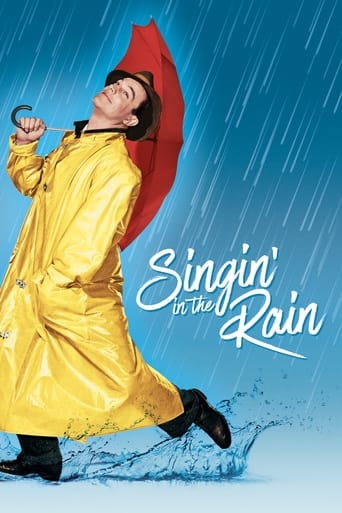
The MGM door is the richest in old films: twelve of its twenty-three were made before 1980, and nine score 7.5 or more, the most of any door. The studio's musicals lead it. Singin' in the Rain, from 1952, is set in Hollywood at the coming of sound and is regarded by many as the finest musical ever filmed. Meet Me in St. Louis follows a family through the four seasons before the World's Fair of 1904, with Judy Garland. On the Town gives three sailors twenty-four hours in New York, and Seven Brides for Seven Brothers sets a barn-raising to some of the most athletic dancing ever put on film.
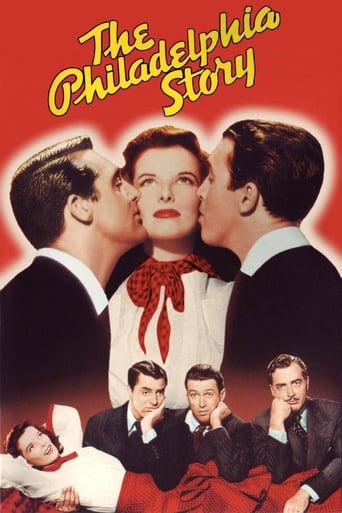
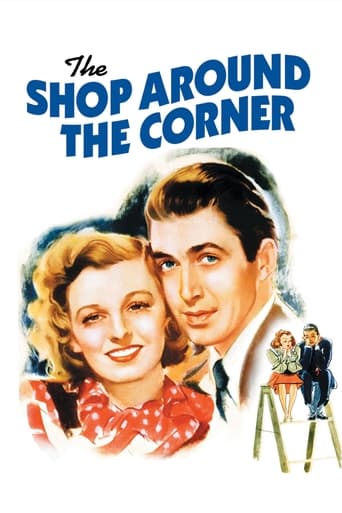
Three comedies from 1939 and 1940 show the studio's other strength. In Ninotchka, Greta Garbo plays a stern Soviet envoy who is won over by Paris. The Shop Around the Corner has James Stewart and Margaret Sullavan as shop assistants who quarrel all day and write loving letters to each other, unknowing, at night. The Philadelphia Story brings Katharine Hepburn, Cary Grant and Stewart together on the eve of a society wedding. The Bad and the Beautiful is a drama about a film producer told by three people he used.
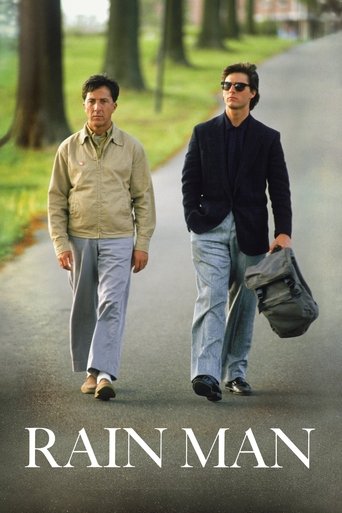
United Artists, founded in 1919 by Charlie Chaplin, Mary Pickford, Douglas Fairbanks and D. W. Griffith, joined MGM in 1981. Its films here are Limelight, Chaplin's story of an old music-hall clown and a young dancer, Chitty Chitty Bang Bang, The Black Stallion, about a boy and a horse shipwrecked together, and Rain Man, in which a young car dealer crosses America with the brother he has just discovered. 2001: A Space Odyssey, made by Stanley Kubrick for MGM in 1968, remains the most ambitious film behind any of the eight doors.
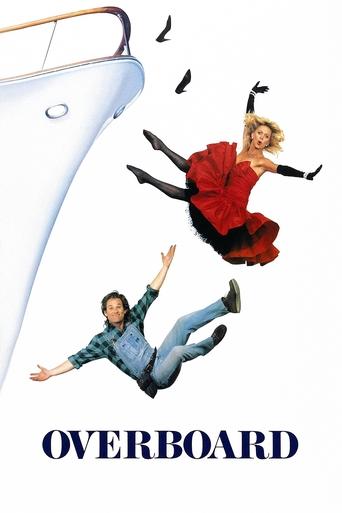
The recent films come from the studio's years with Amazon: The Boys in the Boat, about the American rowing eight at the 1936 Olympics, A Million Miles Away, the life of the astronaut José Hernández, Candy Cane Lane, Space Cadet, The Map That Leads to You and The Love Hypothesis. Overboard, Barbershop, Sleepover and The Sun Is Also a Star complete the list. The MGM and United Artists guide sorts it.
Door eight: the British studios
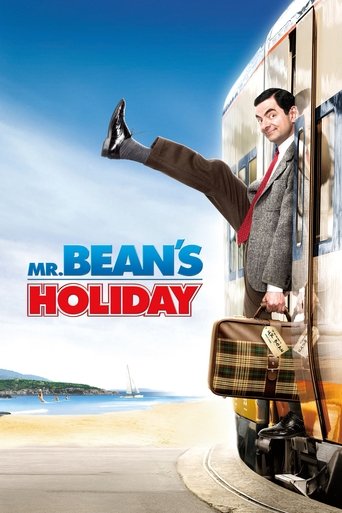
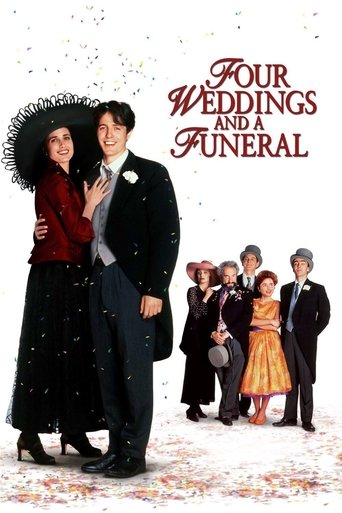
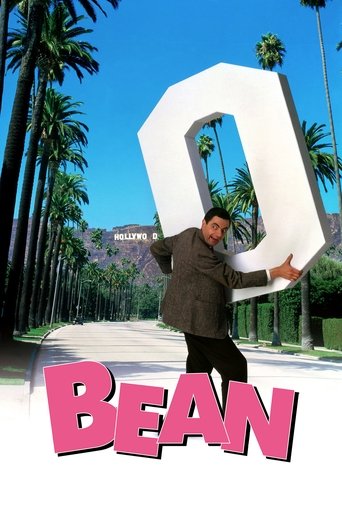
The eighth door gathers four British companies: Working Title, BBC Film, Film4 and StudioCanal's London arm. Working Title made the romantic comedies that the world came to think of as typically English. Four Weddings and a Funeral, written by Richard Curtis, made Hugh Grant a star in 1994, and Notting Hill paired him five years later with Julia Roberts as a film actress who walks into his travel bookshop. Wimbledon sets a love story at the tennis championships. The same company made Bean and Mr. Bean's Holiday, in which Rowan Atkinson's almost silent hero wins a trip to Cannes.
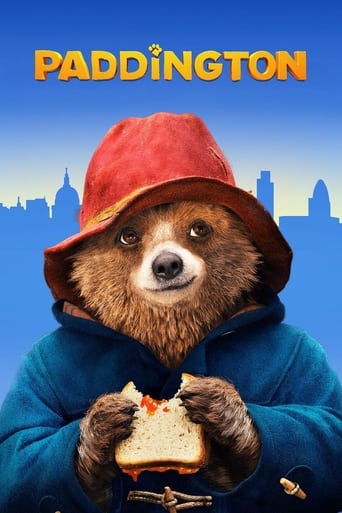
Paddington and Paddington in Peru are the door's family films, with The Borrowers, about a family of tiny people living under the floorboards. From the classics come Far from the Madding Crowd, The Importance of Being Earnest and The Personal History of David Copperfield, which tells Dickens's novel at speed and with great good humour.
The portraits of real people are a varied group. Miss Potter is about Beatrix Potter and her first books, The Electrical Life of Louis Wain about the Victorian artist who drew cats, Radioactive about Marie Curie, Florence Foster Jenkins about a singer of boundless confidence, and The Damned United about Brian Clough's forty-four days as manager of Leeds United. The Boy Who Harnessed the Wind, made with BBC Film in Malawi, and Big Miracle, set in Alaska, show how far from home these companies travel.
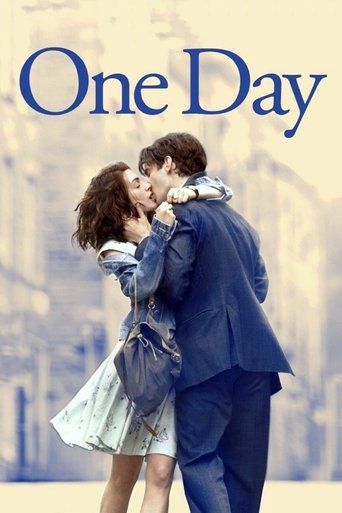
One Day, Man Up, Happy-Go-Lucky, Mike Leigh's film about a cheerful primary school teacher, The High Note and the comedy Frequently Asked Questions About Time Travel, which begins in a pub, complete the list. The British studios guide sorts the twenty-three.
Classics across the doors
Twenty films in the guide were made before 1980, and the Classics list brings them out from behind their separate doors. Twelve come from MGM and United Artists, six from Paramount, and one each from Fox and Columbia. Disney, Universal, Warner and the British studios have theirs elsewhere; the selection by number of ratings happened to favour their later work.
Read in order of date, the list is a short history of Hollywood comedy and song. It begins with It Happened One Night in 1934, passes through Ninotchka, The Shop Around the Corner and The Philadelphia Story at the end of that decade, and reaches the wartime warmth of Meet Me in St. Louis. After the war come On the Town, the first musical to film its numbers in real city streets, and All About Eve.
The 1950s bring colour and the wide screen: Singin' in the Rain, Limelight, The Bad and the Beautiful, Roman Holiday, Seven Brides for Seven Brothers and Funny Face. The 1960s add Breakfast at Tiffany's, Barefoot in the Park, The Odd Couple, Chitty Chitty Bang Bang and 2001: A Space Odyssey, the last two released within months of each other and as unlike as two films can be. Grease and The Black Stallion close the list at the end of the 1970s.
A viewer new to older films could begin with any of the comedies. They are short, quick and written with a wit that has kept its edge. The classics guide sets them out by decade.
Top rated
The Top rated list holds the thirty-two films with an audience score of 7.5 or more. The scores are TMDB averages of ratings by registered viewers, and each film page shows how many ratings stand behind its figure. By door, MGM and United Artists supply nine, Universal six, Warner five, Fox four, Paramount and Columbia three each, and Disney and the British studios one each.
The two highest are the newest, Voicemails for Isabelle at 8.3 and The Love Hypothesis at 8.2, whose scores rest on smaller numbers of early ratings and may settle. Five films stand at 8.1: Singin' in the Rain, All About Eve, The Shop Around the Corner, Togo and The Art of Racing in the Rain. At 8.0 are Jurassic Park, 2001: A Space Odyssey, Before Sunrise and Flipped.
Just below come Roman Holiday, A Beautiful Mind, Limelight and The Boy Who Harnessed the Wind at 7.9, Back to the Future Part II, Before Sunset and It Happened One Night at 7.8, and The Breakfast Club and Rain Man at 7.7. Groundhog Day, Ferris Bueller's Day Off, King Richard and The Sandlot are among those at 7.6. The top rated page explains the rule.
Comedy across the doors
Two films in three carry the comedy tag, 123 of the 184, which says something about what audiences return to. The comedy list can be read as a set of pairs from different studios. Two films about a man given a strange day to live: Groundhog Day at Columbia and Liar Liar at Universal. Two about a child in an adult's body, or the reverse: Big at Fox and 17 Again at New Line. Two about weddings going wrong: Father of the Bride at Touchstone and My Best Friend's Wedding at TriStar.
John Hughes worked for several doors in turn. He wrote and directed The Breakfast Club for Universal and Ferris Bueller's Day Off for Paramount, wrote Pretty in Pink for Paramount, National Lampoon's Christmas Vacation for Warner, Beethoven for Universal under a pen name, and Home Alone 2: Lost in New York and Miracle on 34th Street for Fox. Seven of his scripts sit in the guide, more than any other writer's.
Other names recur. Steve Martin leads Parenthood, Father of the Bride and both Cheaper by the Dozen films. Hugh Grant appears behind three doors, in Four Weddings and a Funeral and Notting Hill, About a Boy and Music and Lyrics. Julia Roberts is in Steel Magnolias, My Best Friend's Wedding, Runaway Bride, Notting Hill and Eat Pray Love, and Tom Hanks in Splash and Big.
Romance and drama
The romance list has seventy-seven films and the drama list eighty-one, with a large overlap. The romantic comedy changed its manners from decade to decade, and the doors show it. In the 1930s and 1940s the couple fought in fast dialogue, as in It Happened One Night and The Philadelphia Story. In the 1950s and 1960s the settings grew elegant: Rome, Paris, a Manhattan jeweller's window. The 1990s belonged to weddings, and the 2000s to careers, in 27 Dresses, Morning Glory and The Holiday.
Some love stories stand apart from fashion. Before Sunrise and Before Sunset consist almost wholly of two people walking and talking. Somewhere in Time and One Day play with time itself. Roman Holiday ends the way few romances dare to. Far from the Madding Crowd and Water for Elephants set their lovers against hard rural lives, a century apart.
The dramas outside romance are led by the portraits already named, A Beautiful Mind, Rain Man, The Social Network and Ray. Pay It Forward follows a schoolboy's plan to improve the world three favours at a time, I Am Sam a father's fight in court, and Searching for Bobby Fischer a family learning what a gifted child needs. Steel Magnolias moves from laughter to grief and back within a single scene at a graveside.
Family, adventure and fantasy
Fifty-nine films are marked for family viewing and sixty-four as adventure, fantasy or science fiction. Animals are everywhere among them: the dinosaurs of Jurassic Park, the St Bernard of Beethoven, the pig and the spider of Charlotte's Web, the mouse of Stuart Little 2, the horse of The Black Stallion, the whales of Big Miracle, the dogs of Togo and A Dog's Way Home, the crocodile of Lyle, Lyle, Crocodile and the bear of Paddington.
The fantasies range from flying cars to magic board games. Chitty Chitty Bang Bang was written for the screen by Roald Dahl from a book by Ian Fleming. Jumanji releases a jungle into a New England house. The Golden Compass and Inkheart come from celebrated children's novels, and The Chronicles of Narnia: The Voyage of the Dawn Treader from the third of C. S. Lewis's Narnia books to be published. IF and Imagine That are both about the imaginary companions of children, made fifteen years apart at the same studio.
Christmas has its own run through the doors: Elf and National Lampoon's Christmas Vacation at Warner, Home Alone 2: Lost in New York, Jingle All the Way and Miracle on 34th Street at Fox, The Santa Clause 2 and The Nutcracker and the Four Realms at Disney, The Holiday at Universal and Candy Cane Lane at MGM.
Music and true stories
Ten films carry the music tag and twenty-two are drawn from real lives; several are both. Ray and Elvis are the two full biographies of musicians. The Soloist is about a cellist, Florence Foster Jenkins about a soprano, and The High Note about a singer's assistant with ambitions of her own. August Rush and Music and Lyrics are fictions built around the writing of a song, and Funny Face and Pitch Perfect 2 show how far the film musical travelled in sixty years.
Sport provides the most stirring of the true stories. Cool Runnings, Seabiscuit, Moneyball, King Richard, The Boys in the Boat and The Damned United cover bobsled, horse racing, baseball, tennis, rowing and football between them. Science and invention supply A Beautiful Mind, Radioactive, A Million Miles Away, Joy and The Boy Who Harnessed the Wind. The genre lists page gives the count for each of the seven lists.
Reading a studio credit
The table of facts on each film page has a line headed Studio, and it often names several companies. The reason lies in how films are financed. A large studio may pay for a film and release it; a smaller production company, often belonging to the director or the star, may develop the script and make it; and a third partner may put up part of the money in return for the rights abroad. All three appear in the credit.
The Holiday is a clear case: Universal released it in some countries and Columbia in others, and it sits behind the Universal door because that door comes first. A Beautiful Mind was shared between Universal and DreamWorks, and Paddington was made in London with French backing. The smaller names in a credit are worth a glance too. Amblin, Steven Spielberg's company, stands behind Jurassic Park and Back to the Future Part II; Imagine, founded by Ron Howard and Brian Grazer, behind Parenthood, Liar Liar and A Beautiful Mind.
Studios also change hands. Touchstone has been retired, New Line and Castle Rock were absorbed, United Artists and then MGM passed to new owners, and 20th Century Fox became part of Disney in 2019. The doors in this guide follow the name on the film at the time it was made, which is why The Art of Racing in the Rain, released a few months after that sale, still stands behind the Fox door.
Choosing by length and by year
Under each poster the guide prints the year and the running time, the two facts most useful on a weeknight. The films average an hour and forty-eight minutes. The shortest is Stuart Little 2 at seventy-eight minutes; Before Sunset takes eighty, and Liar Liar, Beethoven and Flipped each finish inside an hour and a half. The longest are Elvis at 159 minutes and 2001: A Space Odyssey at 149.
By date, the guide is weighted towards the recent past. Fifty-four films come from the 2010s and forty-nine from the 2000s, twenty-six from the 1990s, twenty from the present decade and fifteen from the 1980s. The remaining twenty are the classics. A reader who wants a film from a given year can type the year into the search bar, which reads dates as readily as names.
Eight evenings, one behind each door
A fair way to test the idea of the guide is to watch one film from each studio in turn. From Disney and Touchstone, Splash, where the Touchstone story began. From Paramount, Roman Holiday. From Universal, Parenthood, which grows truer with each year its viewers add to their own age. From Warner and New Line, Before Sunrise.
From 20th Century Fox, Big. From Columbia and TriStar, It Happened One Night, to see where so many later films began. From MGM and United Artists, The Shop Around the Corner. And from the British studios, Paddington, which has won over every audience it has met. Eight evenings, eight logos, and ninety years of cinema between the oldest and the newest.
My Keys
My Keys is the list each visitor keeps. The list button beside Watch now on a film page adds the film, and the navy My Keys button in the header opens the list from any page. The list is stored in the browser on the device in use, so it is ready from the first visit and works free of any sign-up form, with name and address left unasked. The list page can save it as a file, which is the way to move it to another device.
The name fits the idea of the guide. Each film added is a key cut for a later evening, and a ring of ten or twelve is plenty. A household might keep one ring for films to watch together and let each member keep another on a phone. The My Keys page gives the steps.
Where the films play
CinemaUnlocked is a guide, and the films themselves are held by the streaming services and digital stores. The Watch now button passes the title and the chosen country to JustWatch, which records each day what every service offers. The fifteen countries in the selector include the United States, the United Kingdom, Canada, Australia, Ireland, New Zealand, India and South Africa.
The studio behind a film is often a useful clue to where it plays. Each of the large groups now runs or supplies a subscription service of its own, and its films tend to gather there, though older agreements send many titles elsewhere for years at a time. Almost every film in the guide can also be rented or bought singly, which is often the cheapest route to one particular evening. The answer shown is always the answer for today.
Directors who crossed the doors
Actors and writers moved between studios, and directors did too. Following one name through the guide is a pleasant way to wander it. Ron Howard made Splash for Touchstone, then Parenthood and A Beautiful Mind for Universal, three films in three different keys. Rob Reiner's Flipped sits behind the Warner door through the company he helped to found. Steven Spielberg directed Jurassic Park for Universal and The BFG for Disney twenty-three years apart.
Ernst Lubitsch made Ninotchka and The Shop Around the Corner at MGM in consecutive years, and both show the light, knowing manner that other directors spent decades trying to copy. Stanley Donen co-directed On the Town and Singin' in the Rain with Gene Kelly at MGM, made Seven Brides for Seven Brothers there alone, and then went to Paramount for Funny Face: four of the finest musicals in the guide from one man.
Among later names, Richard Linklater made Before Sunrise and Before Sunset nine years apart with the same two actors, who helped to write the second. Nora Ephron's last film was Julie & Julia. Garry Marshall directed Overboard for MGM, Runaway Bride for Touchstone and The Princess Diaries 2: Royal Engagement for Disney, and Shawn Levy directed Cheaper by the Dozen early in a career that later took in far larger productions. Paul King made Paddington his first big film, and Chiwetel Ejiofor, long known as an actor, directed The Boy Who Harnessed the Wind as his first feature.
Sequels, remakes and second versions
Studios return to what has worked, and the guide records the habit openly. Seven pairs of an original and its sequel, or of two sequels, sit behind the doors: the two Beethoven films, the two Cheaper by the Dozen films, the two Diary of a Wimpy Kid films, the two Daddy's Home films, the two Jumanji films, the two Journey films and the two Paddington films, to which the two Before films may be added as the most unusual sequel pair in cinema.
Remakes are as common. Father of the Bride of 1991 remade a Spencer Tracy comedy of 1950. Doctor Dolittle of 1998 and Dolittle of 2020 are two versions of the same stories for two studios. Miracle on 34th Street of 1994 retells the 1947 film, The Flintstones turns a cartoon series into a live-action comedy, and the 2006 Charlotte's Web follows an animated version of 1973. The Shop Around the Corner was itself remade twice, once as a musical and once as a comedy about electronic mail.
A second version is best judged on its own. Some in this guide have outlasted their originals in the public memory, and a few, The Jungle Book of 2016 among them, gave an old story a look that had been impossible before.
Stories also travel between the doors in looser ways. Big at Fox, 17 Again at New Line and Peggy Sue Got Married at TriStar all send a person to an age that is the wrong one for them, and each studio drew a different mood from the idea: wonder in the first, farce in the second, regret in the third. Splash and Roman Holiday are, at heart, the same tale of a visitor from another world who must go home. Overboard and Sweet Home Alabama both ask whether a person can return to a simpler life after tasting a grander one. Seeing such cousins together is one of the quiet pleasures of a catalogue sorted by studio, since the family likeness shows across the doors as clearly as within them.
The search bar helps with this kind of wandering. Typing a director's or an actor's name brings up every film of theirs in the guide, whichever door it stands behind, and the studio line on each film page then shows where it was made.
Questions and answers
Questions
What is CinemaUnlocked?
CinemaUnlocked is a guide to 184 films arranged by the studio that made them. Each film has a page with its cast, a summary and a Watch now button.
Which studios are covered?
Eight groups: Disney and Touchstone, Paramount, Universal, Warner and New Line, 20th Century Fox, Columbia and TriStar, MGM and United Artists, and the British studios.
How many films does each studio have?
Twenty-three each, chosen as the most widely rated films of that studio after a hand screening for family audiences.
Does CinemaUnlocked host the films?
CinemaUnlocked is a guide only. Watch now opens JustWatch for the country you choose, which lists the subscription, rental, purchase and free services carrying the film.
Is CinemaUnlocked connected with the studios?
It is an independent guide. Studio names are used to describe who produced each film, as recorded in the production data on TMDB.
Which is the oldest film?
It Happened One Night, made by Frank Capra for Columbia in 1934. The newest are two films of 2026.
Which film has the highest score?
Voicemails for Isabelle at 8.3, followed by The Love Hypothesis at 8.2. Among older films, Singin' in the Rain, All About Eve and The Shop Around the Corner stand at 8.1.
What does the Filter button do?
It opens the page of lists, where the films can be narrowed by studio, by genre, to the classics made before 1980 or to the top rated.
Is the guide suitable for families?
Yes. Every film was screened by hand, and 59 are marked as family viewing, from Paddington and Big to The Jungle Book.
What is My Keys?
My Keys is a personal list kept in the browser. A button on each film page adds or removes the film, and the My Keys button in the header opens the list.
Is an account needed?
The whole guide is open to every visitor. Search, the studio lists and My Keys all work from the first visit.
How are co-productions handled?
A film made by two of the eight studio groups is listed under one of them only, so the eight lists hold 184 different films.
